The Mango Crepe Cake is the undisputed monarch of tropical patisserie, a dessert that marries the architectural precision of French technique with the vibrant, sun-drenched flavors of the East. Imagine twenty paper-thin, golden-edged crepes stacked with surgical accuracy, each separated by a cloud-like layer of whipped mango-infused pastry cream.
This isn’t just a cake; it’s a masterclass in texture and balance. The side-profile cross-section reveals a stunning gradient of pale-orange cream and delicate crepes, topped with a translucent mango nectar glaze that catches the light like liquid gold. Whether you are hosting an elegant brunch or seeking a show-stopping birthday centerpiece, this recipe delivers a professional-grade result from your home kitchen.
To achieve the perfect visual stability seen in high-end bakeries, we focus on the structural integrity of the mango pastry cream and the uniform thickness of each crepe. If you love working with vibrant stone fruits, you might also enjoy our refreshing mango avocado salad as a light starter before diving into this decadent dessert.
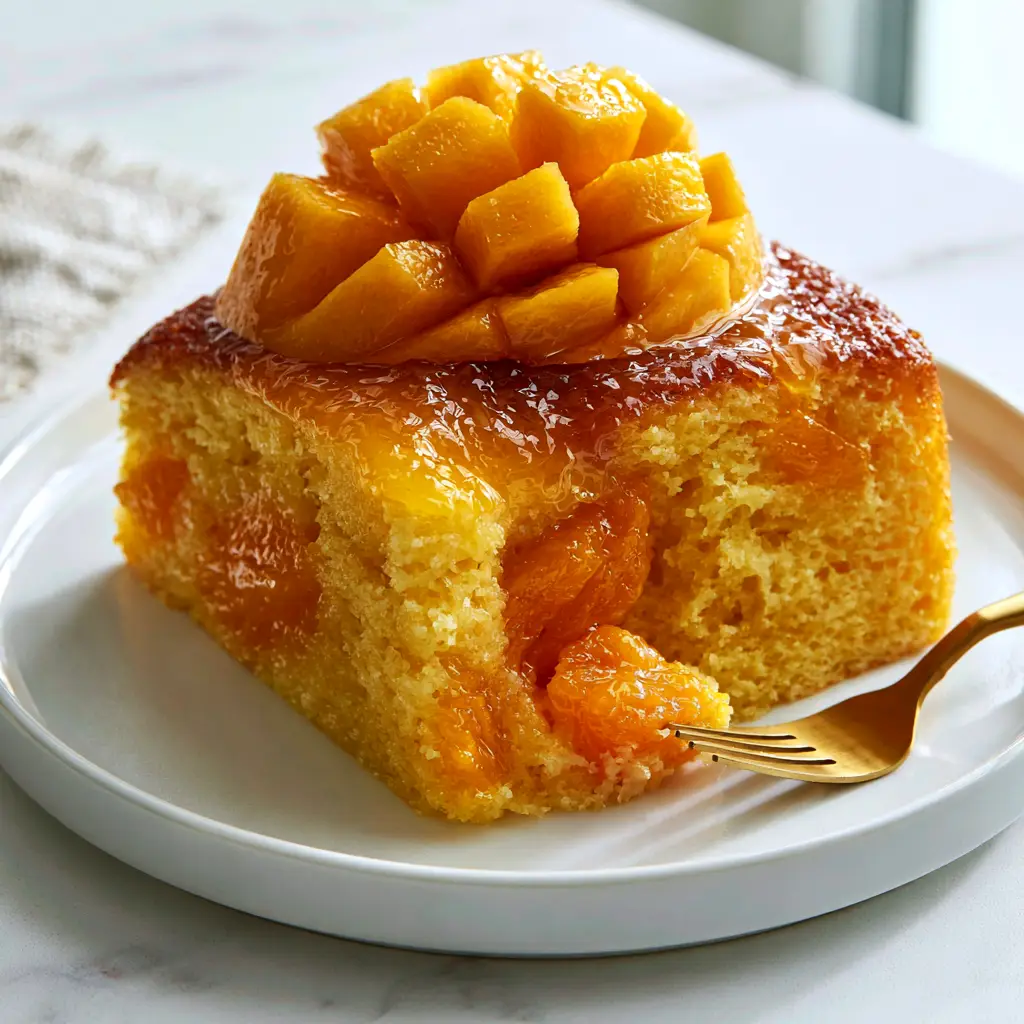
The Anatomy of a Perfect Mango Mille Crêpe
- Twenty Precision Layers: We utilize a specific batter resting technique to ensure each crepe is paper-thin yet strong enough to support the weight of the stack.
- Whipped Mango Infusion: Unlike standard custard, our pastry cream is folded with stabilized whipped cream and fresh mango reduction for a velvety, pale-orange finish.
- Glossy Nectar Glaze: A professional-grade translucent finish that protects the fruit and adds a concentrated punch of mango flavor.
- Architectural Stability: A chilled setting period ensures that when you remove a single clean wedge, the layers remain perfectly distinct without sliding.
The Essential Ingredients for Tropical Success
The Foundation: Golden Crepe Batter
All-Purpose Flour: 2 cups (250g) of sifted flour provide the necessary structure. Sifting is non-negotiable here to prevent lumps in your paper-thin layers.
Whole Milk: 2.5 cups (600ml) of room-temperature milk creates a fluid batter that spreads quickly across the pan. This ensures the crepes don’t become too thick or bready.
Large Eggs: 4 eggs (approx. 200g) act as the primary binding agent and provide the rich, golden-brown color during the searing process. Ensure they are at room temperature for emulsification.
Unsalted Butter: 4 tbsp (56g) of melted, slightly cooled butter adds a nutty depth and prevents the crepes from sticking to the pan. This creates those iconic lacy edges.
Granulated Sugar & Salt: 2 tbsp (25g) sugar for light caramelization and a pinch of fine sea salt to heighten the natural sweetness of the mango.
The Filling: Mango-Infused Diplomat Cream
Fresh Mango Puree: 1 cup (240ml) of intensely reduced mango puree. This provides the signature pale-orange hue and the core tropical flavor profile.
Heavy Whipping Cream: 1.5 cups (360ml) of chilled cream, whipped to stiff peaks. This is folded into the custard to transform it into a light, airy “Diplomat” cream.
Egg Yolks & Cornstarch: 4 yolks and 3 tbsp (24g) cornstarch create a thick, stable custard base that won’t leak out from between the layers.
The Topping: Glaze and Garnish
Mango Nectar: 0.5 cup (120ml) used as the base for the translucent glaze. It offers a brighter, more concentrated acidity than plain puree.
Fresh Ripe Mango: 1-2 large mangoes, thinly sliced into a decorative fan. Use Honey or Alphonso mangoes for the best fiber-free texture.
Fresh Mint: A small sprig of fresh mint provides a pop of green contrast against the vibrant orange glaze, just like the visual blueprint suggests.
Professional Tools for a Flawless Cross-Section
To achieve the precise layering shown in our smartphone photography, you will need a 10-inch (25cm) non-stick crepe pan or skillet. A smaller pan will result in a taller, narrower cake, while a larger one will make it difficult to reach the 20-layer goal.
An offset spatula is your best friend for spreading the pale-orange cream. It allows you to maintain a uniform thickness of approximately 2mm per cream layer, which is essential for the cake’s internal stability. Finally, a revolving cake stand will make the assembly process significantly faster and more even.
If you find yourself with extra mangoes after sourcing your fruit, consider making a zesty green Thai mango salad to utilize any firmer, less-ripe fruit you may have encountered.
Step-By-Step: Crafting the Mango Crepe Cake
Step 1: Whisking and Resting the Silk-Smooth Batter
In a large blender or using a high-powered whisk, combine your flour, milk, eggs, melted butter, sugar, and salt. Process until the mixture is completely homogenous and resembles the consistency of heavy cream.
Expert Tip: Rest the batter in the refrigerator for at least 1 hour. This allows the gluten to relax and the air bubbles to dissipate, ensuring your crepes are tender rather than rubbery.
Step 2: Mastering the Paper-Thin Golden Crepe
Heat your non-stick skillet over medium-low heat and lightly brush with butter. Pour approximately 3 tbsp (45ml) of batter into the center and immediately swirl the pan to coat the bottom in a perfect circle.
Visual Cue: Cook for 60-90 seconds until the edges curl slightly and the bottom shows a delicate golden-brown mottled pattern. Flip and cook for only 10 seconds on the second side. Repeat until you have at least 22 crepes (allowing for a few “test” crepes).
Step 3: Creating the Velvety Mango Pastry Cream
Whisk egg yolks, sugar, and cornstarch until pale. Separately, bring your milk and mango puree to a simmer. Slowly temper the hot milk into the egg mixture, then return to the heat, whisking constantly until it thickens into a dense custard.
Once cooled, fold in your stiffly whipped heavy cream. The result should be a thick, pale-orange mango pastry cream that holds its shape when scooped. If you enjoy this creamy profile, you might find our creamy strawberry shortcake smoothie a delightful morning alternative.
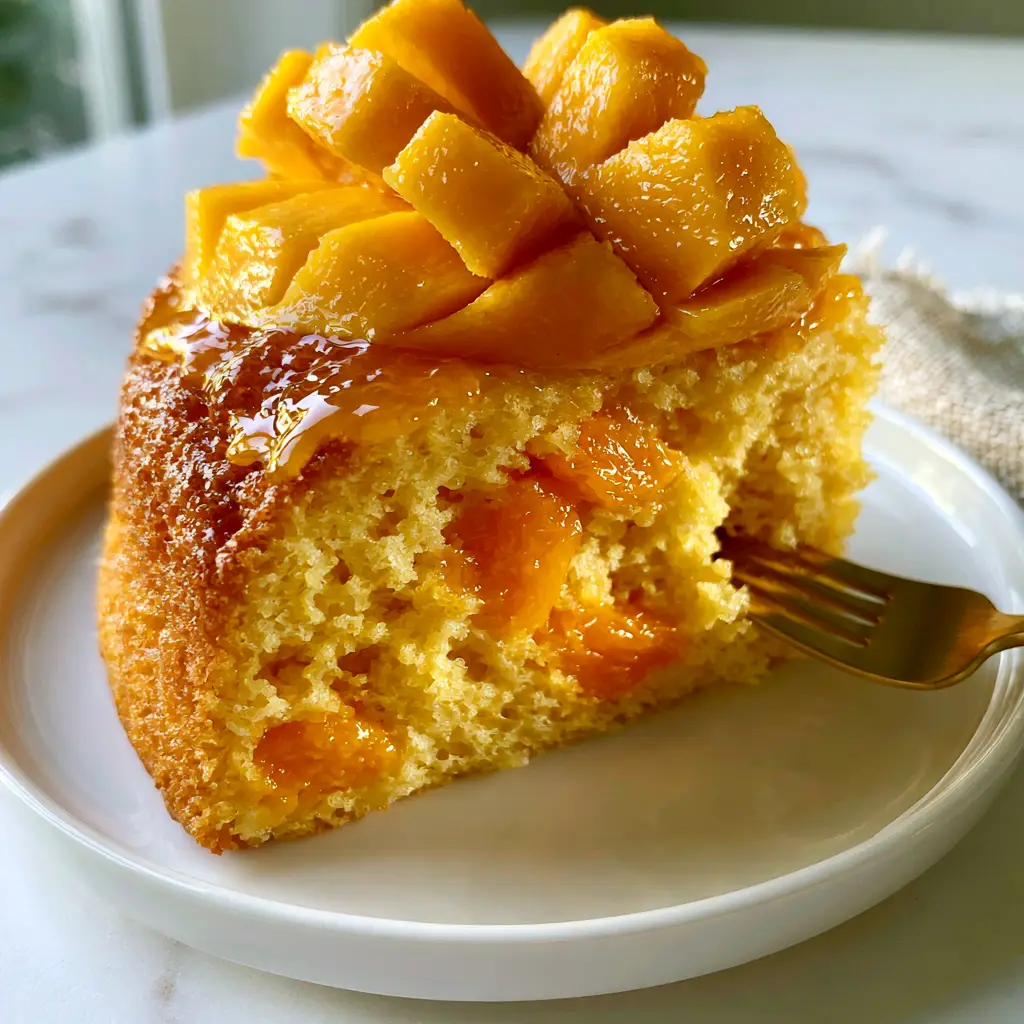
Step 4: The Art of Precise Layering
Place your first chilled crepe on a minimalist white ceramic plate. Spread a thin, even layer of the mango cream (about 3 tbsp) across the surface, leaving a tiny 1/4-inch margin at the edges. Top with the next crepe and repeat until you have reached exactly 20 layers.
Sensory Cue: Press down very gently with a flat plate every five layers to ensure the cake is level and to remove any trapped air pockets. This prevents the “slumping” often seen in amateur crepe cakes.
Step 5: The Translucent Glaze and Finishing Touches
Simmer the mango nectar with a teaspoon of sugar and a pinch of agar-agar or gelatin until slightly reduced. Let it cool until it reaches a thick, syrupy consistency but is still pourable.
Arrange your fresh mango slices in a decorative fan on the top layer. Carefully spoon the translucent glaze over the fruit, allowing it to coat the slices and create a glossy, mirror-like finish. Add your small sprig of fresh mint for the final touch of elegance.
Expert Tips for a Bakery-Quality Result
- Chill Between Steps: For the cleanest wedge, chill the assembled cake for at least 4 hours (preferably overnight) before slicing. This sets the cream and prevents the layers from sliding.
- The “First Crepe” Rule: The first crepe is almost always a throwaway. Use it to gauge your pan temperature and batter volume.
- Uniformity is Key: Use a measuring cup or scoop for the batter and the cream to ensure every single layer is identical in thickness.
- Knife Technique: Use a sharp, thin serrated knife dipped in hot water and wiped dry between every single cut to achieve that perfect side-profile cross-section.
Pairing and Serving Suggestions
This Mango Crepe Cake is a star on its own, but it pairs beautifully with other light, fruit-forward desserts. If you are planning a dessert table, these soft birthday cake cookies provide a nostalgic crunch that contrasts the soft layers of the crepe cake.
For a floral twist, serve a slice of this cake alongside our delicate lavender cupcakes. The aromatic herbs perfectly complement the tropical sweetness of the ripe mango.
Frequently Asked Questions
Absolutely. You can make the crepe batter and the pastry cream base up to 48 hours in advance. Assemble the cake the day before you plan to serve it for best results.
Yes, you can use frozen mango to make the puree. However, ensure you reduce it on the stove to remove excess water, or your cream will be too runny to support 20 layers.
Chilling is the most critical step. The cake needs at least 4-6 hours in the fridge for the mango pastry cream to fully set and bond with the crepes.
Honey (Ataulfo) or Alphonso mangoes are best because they are non-fibrous and exceptionally sweet, allowing for clean, decorative slices on top of the glaze.
This usually happens if the batter wasn’t rested. Resting for at least one hour allows the gluten to relax, ensuring a melt-in-your-mouth texture rather than a chewy one.
The Ultimate Mango Crepe Cake Recipe Card
Mango Crepe Cake: The Ultimate 20-Layer Tropical Mille Crêpe Recipe
Ingredients
Equipment
Method
- Combine flour, milk, eggs, melted butter, sugar, and salt in a blender. Process until smooth and rest for 1 hour in the refrigerator.
- Pour 3 tbsp of batter into a buttered 10-inch skillet. Swirl to coat and cook for 90 seconds until golden-brown spots appear. Flip for 10 seconds. Repeat to make 20-22 crepes.
- Place one chilled crepe on a plate. Spread a thin layer of mango cream evenly. Repeat for 20 layers. Top with mango slices and nectar glaze.
Notes
Use a warm, wet knife for the cleanest cross-section cuts.
Closing & Call to Action
The 20-layer Mango Crepe Cake is a testament to the beauty of patience and precision in the kitchen. With its vibrant colors and delicate textures, it is guaranteed to be the highlight of your culinary repertoire. We invite you to share your results and tag us in your photos!
If you enjoyed this recipe, please leave a comment below and subscribe to our newsletter for more elite patisserie secrets. Don’t forget to save this recipe to your dessert boards on Pinterest so you can find it whenever the mango season hits its peak!