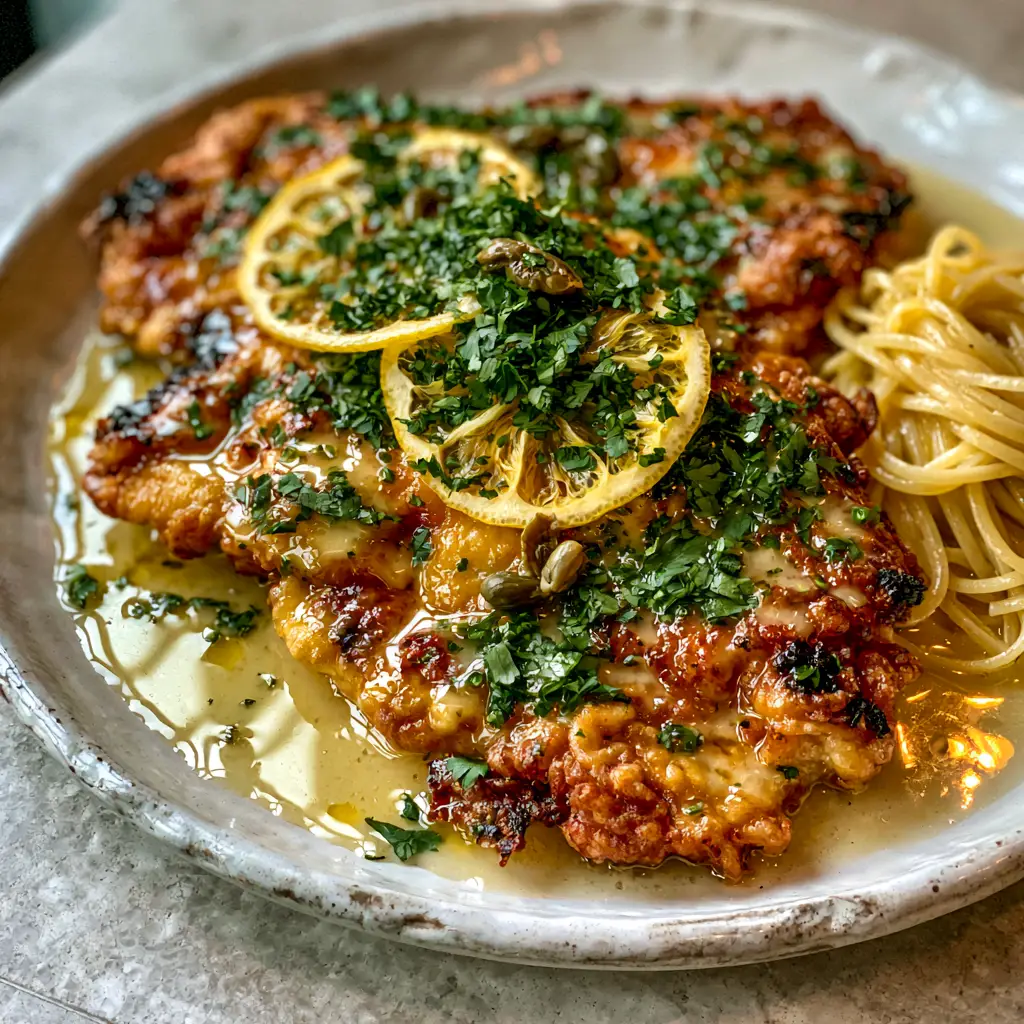
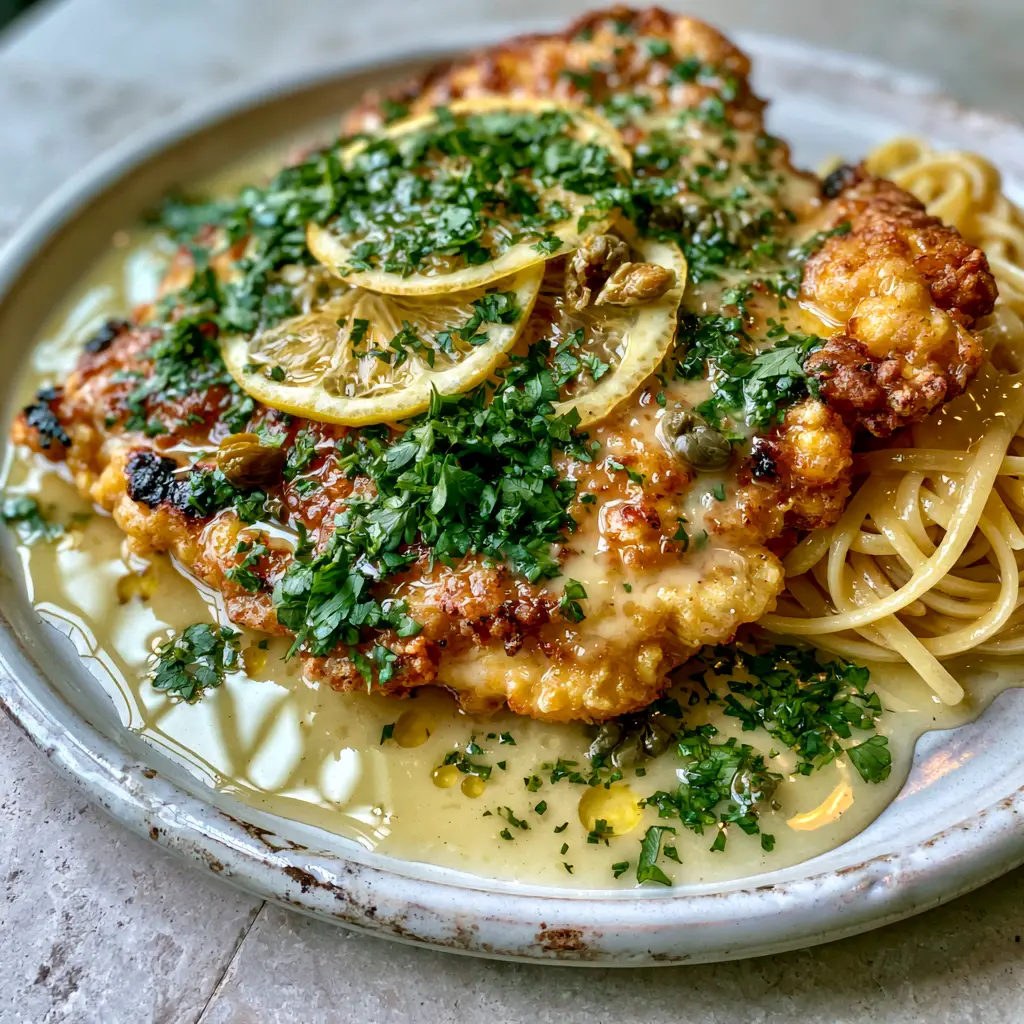
There is a specific culinary magic that happens when a golden-brown egg-battered chicken breast meets a sharp, velvety lemon butter sauce. This Chicken Francese Recipe isn’t just a meal; it’s a sensory experience that brings high-end bistro vibes directly to your kitchen. Imagine tender fillets with a soft, crispy fried texture and those signature charred edges, all glistening under a translucent sauce glaze.
The visual appeal of this dish is undeniable, from the paper-thin lemon rounds to the heavy scatter of vibrant, finely chopped flat-leaf parsley. As you plate a nest of al dente linguine next to the chicken, the steam wisps carry the aroma of briny non-pareil capers and fresh citrus. It is a masterpiece of balance, texture, and bright, bold flavors that satisfy every craving for a classic Italian-American comfort dish.
Why This Chicken Francese Recipe Is a Culinary Masterpiece
- The Signature Crust: Unlike traditional breaded chicken, the egg-batter method creates a soft, delicate, and golden-brown exterior that acts like a sponge for the sauce.
- Velvety Translucent Sauce: We utilize the science of emulsification to turn cold butter and lemon juice into a glossy, pooling glaze that clings to every strand of linguine.
- Briny and Bright Accents: The addition of non-pareil capers and black pepper flecks cuts through the richness of the butter, providing a sophisticated flavor profile.
- Perfectly Al Dente Base: Serving this over linguine ensures that not a single drop of the lemon-white wine reduction goes to waste.
Essential Elements for a Silky Sauce and Golden Crust
Chicken Breasts (1.5 lbs / 680g): We use thin-cut or pounded breasts to ensure rapid, even cooking while maintaining a tender interior. This allows the egg batter to brown perfectly without overcooking the meat.
All-Purpose Flour (1/2 cup / 60g): This primary coating provides the “grip” for the egg wash, ensuring the batter stays attached to the chicken during the pan-searing process.
Large Eggs (3 units): Beaten with a splash of water or cream, these form the foundation of the iconic “Francese” crust, resulting in a soft, crepe-like exterior with charred edges.
Dry White Wine (1/2 cup / 120ml): A Pinot Grigio or Sauvignon Blanc provides the necessary acidity to deglaze the pan and build the base of the translucent sauce glaze.
Chicken Stock (1 cup / 240ml): Use a high-quality, low-sodium stock to add depth and body to the sauce without making it overly salty.
Fresh Lemon Juice (3 tbsp / 45ml): Real citrus is non-negotiable for achieving the vibrant, sharp notes that define a classic Chicken Francese Recipe.
Unsalted Cold Butter (4 tbsp / 60g): Swirling in cold butter at the very end—a technique known as monter au beurre—creates that thick, velvety texture seen in professional food photography.
Non-pareil Capers (2 tbsp / 18g): These tiny, salt-cured buds offer bursts of acidity that perfectly complement the thin lemon rounds and parsley garnish.
Fresh Flat-Leaf Parsley (1/4 cup / 15g): Finely chopped and scattered heavily, this herb adds a necessary earthy freshness and a pop of green color.
Linguine Pasta (8 oz / 225g): The long, flat surface of linguine is the ideal vehicle for the glossy lemon sauce, creating a beautiful nest on your rustic white ceramic plate.
The Professional Chef’s Arsenal for Perfect Pan-Searing
To achieve the “hero shot” quality of this dish, you will need a large 12-inch (30cm) stainless steel or cast-iron skillet. These materials conduct heat evenly, which is essential for getting those golden-brown charred edges on the egg-battered chicken. A wide skillet also prevents crowding, ensuring the chicken fries rather than steams.
You will also need a pair of silicone-tipped tongs to flip the delicate cutlets without tearing the batter. A high-quality whisk is vital for emulsifying the butter into the sauce glaze, and a microplane or sharp knife is required for creating those paper-thin lemon slices that sit atop the finished dish.
Forging the Perfect Egg-Battered Cutlet
Step 1: Preparing the Chicken and Pasta
Begin by bringing a large pot of salted water to a boil. Drop your linguine and cook until it is just shy of al dente, as it will finish cooking slightly in the sauce later. While the pasta cooks, pound your chicken breasts to a uniform 1/4-inch (6mm) thickness.
Season the chicken generously with kosher salt and black pepper flecks. This initial seasoning is crucial because the egg batter will seal these flavors against the meat during the high-heat searing process.
Step 2: The Double-Coating Technique
Set up two shallow bowls. In the first, place your flour seasoned with a pinch of salt. In the second, whisk the eggs thoroughly with a tablespoon of water until no streaks remain. This creates the “soft crispy” texture described in the visual blueprint.
Dredge each piece of chicken in the flour, shaking off any excess. Then, dip the chicken into the egg wash, ensuring it is completely submerged and coated. Let the excess batter drip off for a moment before moving to the skillet.
Step 3: Achieving the Golden-Brown Sear
Heat 3 tablespoons (45ml) of olive oil and 1 tablespoon (15g) of butter in your skillet over medium-high heat. When the butter stops foaming and begins to shimmer, carefully lay the chicken in the pan. Do not overcrowd the skillet; work in batches if necessary.
Fry the chicken for 3-4 minutes per side. You are looking for a deep golden-brown color and visible charred edges. Once cooked, remove the chicken to a warm plate and resist the urge to pat it dry—that flavorful oil is part of the experience.
Deglazing and Emulsifying the Golden Nectar
Step 4: Building the Translucent Sauce Glaze
Wipe any burnt bits from the pan but leave the flavorful golden oils. Pour in the white wine to deglaze, scraping the bottom of the pan with a wooden spoon to release the “fond.” Allow the wine to reduce by half.
Add the chicken stock, lemon juice, and non-pareil capers. Let the liquid simmer and reduce until it begins to look slightly syrupy. This reduction is what creates the “thick and velvety” appearance seen in high-end food blog aesthetics.
Step 5: The Velvet Finish
Lower the heat to low. Whisk in the cold butter one tablespoon at a time. This emulsification process turns the thin liquid into a glistening, translucent sauce glaze. If the heat is too high, the sauce will “break” and become greasy, so patience is key here.
Add the thin lemon rounds to the sauce for the final 60 seconds of simmering. This softens them and infuses the sauce with even more citrus oils. Toss the cooked linguine into the sauce to coat it thoroughly before plating.
Expert Tips for Success with This Chicken Francese Recipe
- Cold Butter is King: Always use refrigerator-cold butter when finishing the sauce. The temperature difference helps the emulsion stay stable and creates that professional “pooling” effect.
- Pat the Chicken Dry: Before the very first flour dredge, make sure the chicken is bone-dry. This prevents the flour from becoming gummy and ensures the egg wash sticks perfectly.
- Don’t Scrimp on the Oil: The “soft crispy” texture requires enough fat in the pan to shallow-fry the egg batter. If the pan looks dry, add another splash of olive oil.
- Use Fresh Parsley: Never use dried parsley for this recipe. The visual blueprint demands a “heavy scatter” of vibrant green, which only fresh flat-leaf parsley can provide.
The Best Ways to Store and Reheat
This Chicken Francese Recipe is best enjoyed immediately while the steam wisps are still rising. However, if you have leftovers, store them in an airtight container in the refrigerator for up to 3 days. The sauce will thicken significantly when cold due to the butter content.
To reheat, place the chicken and pasta in a skillet over low heat with a splash of chicken stock or water. Cover and simmer gently until warmed through. Avoid the microwave, as it can make the delicate egg-battered crust rubbery and cause the sauce to separate.
What to Serve With This Velvety Lemon Chicken
While the linguine is the traditional pairing, you can expand your Italian feast with several other dishes. For a lighter start, try a crisp spinach salad with a light vinaigrette. If you are looking for more Mediterranean inspiration, a side of spanakopita offers a wonderful flaky contrast to the soft chicken.
If you’re hosting a larger dinner party, consider serving this alongside chicken vesuvio for a true exploration of Italian-American poultry classics. And for dessert, nothing beats a classic chocolate chip cookie to round out the meal with a touch of sweetness.
Frequently Asked Questions
Yes, you can substitute the white wine with extra chicken stock and a teaspoon of white wine vinegar or extra lemon juice to maintain the necessary acidity for the sauce.
The key is emulsification. You must whisk in cold butter cubes one at a time over low heat at the very end. This incorporates the fat into the liquid without it breaking, creating a glossy, thick glaze.
The primary difference is the batter. Chicken Francese is dipped in flour then egg for a soft, golden crust, while Piccata is usually only dredged in flour. Additionally, Francese features a heavier lemon-butter influence, whereas Piccata is more defined by its briny caper and wine sauce.
A dry, crisp white wine like Pinot Grigio, Sauvignon Blanc, or an un-oaked Chardonnay works best. Avoid sweet wines, as they will clash with the lemon and savory chicken.
This usually happens if the chicken was damp before the flour dredge or if the pan wasn’t hot enough. Ensure you pat the chicken dry and that the oil/butter mixture is shimmering before adding the battered fillets.
The Final Flourish: Chicken Francese Recipe Card
Chicken Francese Recipe: The Ultimate Guide to Velvety Lemon Butter Chicken
Ingredients
Equipment
Method
- Season pounded chicken breasts with salt and black pepper flecks.
- Dredge chicken in flour, then dip into beaten eggs to coat fully.
- Fry chicken in oil and butter until golden-brown with charred edges, about 4 minutes per side.
- Deglaze pan with wine, add stock and lemon juice, and reduce. Whisk in cold butter to create a translucent sauce glaze.
- Toss linguine in sauce, top with chicken, lemon rounds, capers, and a heavy scatter of parsley.
Notes
Ensure the chicken is patted dry before flouring so the batter sticks.
Bringing the Bistro Home
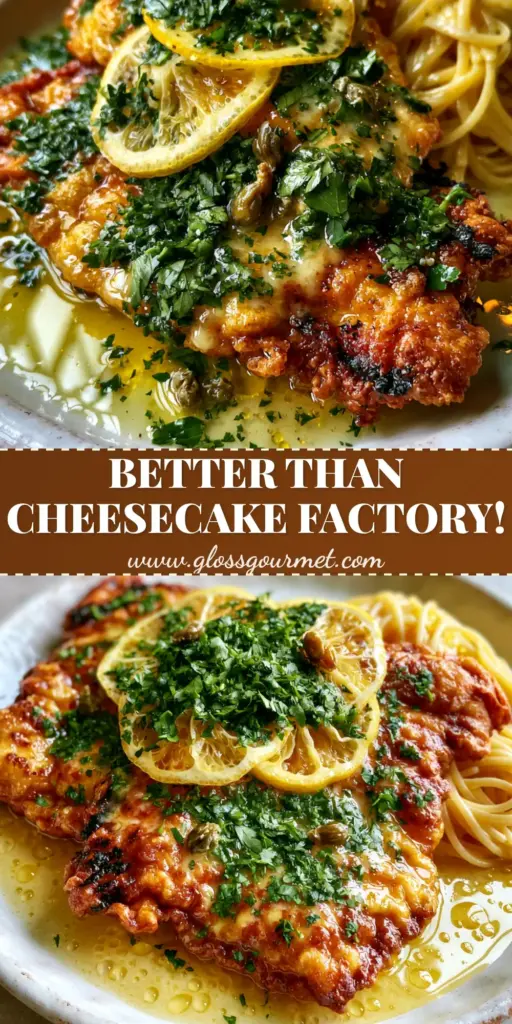
Mastering this Chicken Francese Recipe is a rite of passage for any home cook who loves bold, citrusy flavors and elegant presentation. From the first sizzle of the egg batter to the final heavy scatter of parsley, every step is designed to create a restaurant-quality meal that looks as good as it tastes. The combination of the charred golden crust and the velvety sauce is truly unmatched.
If you enjoyed this recipe, we would love to hear from you! Please leave a comment below and share your photos with us. Don’t forget to follow us on Pinterest for more culinary inspiration and high-end food blog aesthetics. Happy cooking!