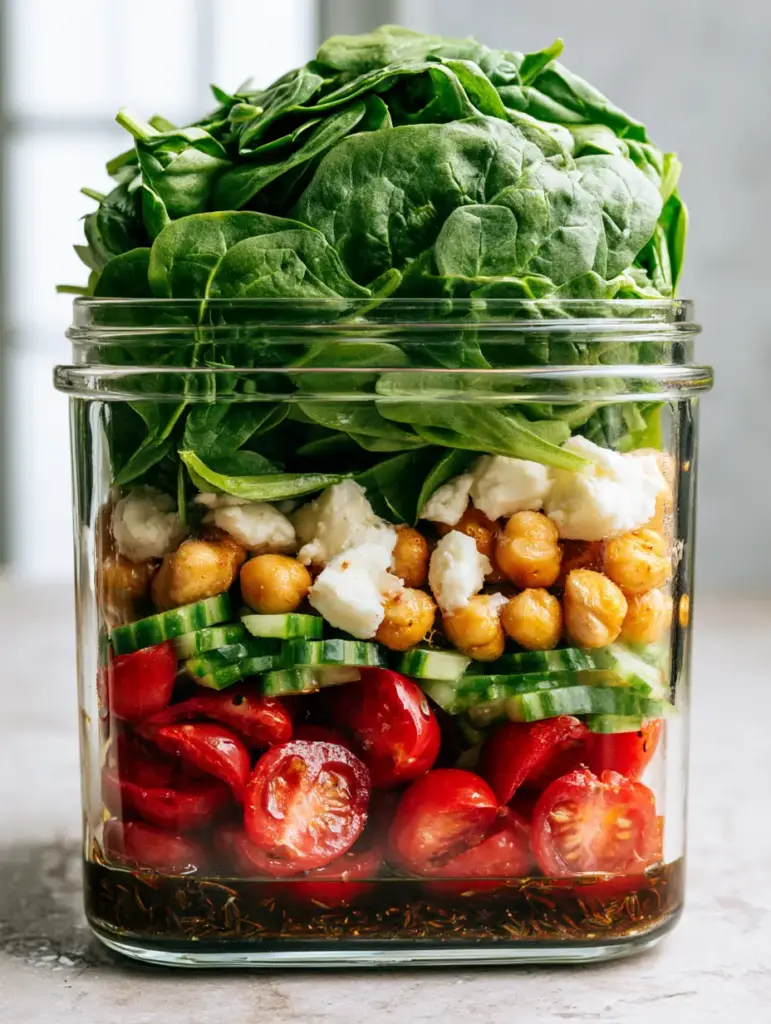
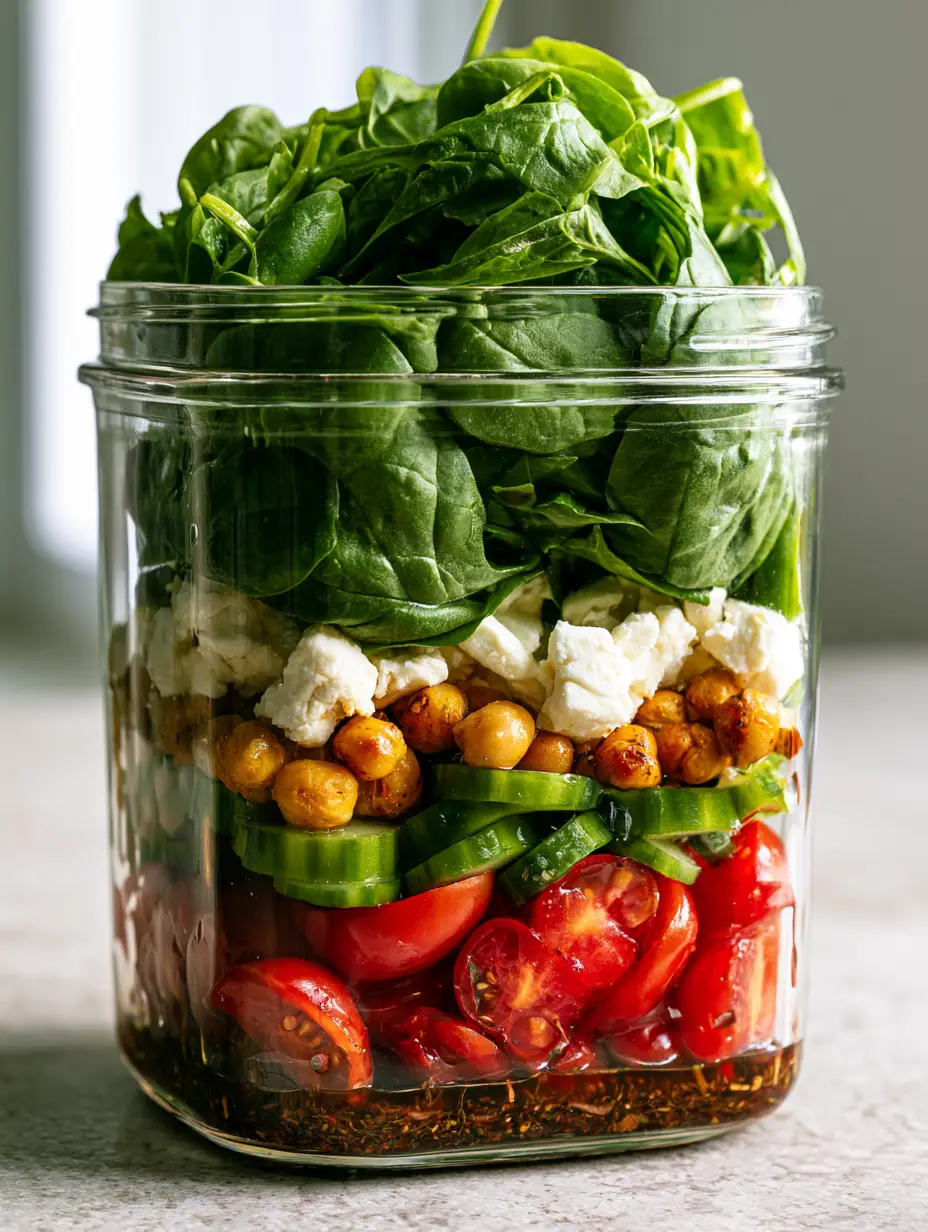
This spinach salad is more than just a side dish; it is a masterclass in culinary layering and texture management. Imagine opening your refrigerator to see a sleek glass container filled with vibrant, contrasting colors, starting with a deep, glossy balsamic base and ending with a massive, airy mountain of vibrant, deep green baby spinach leaves. By utilizing the specific layering technique shown in our visual guide, you can ensure every bite remains crisp, fresh, and restaurant-quality, even days after assembly.
Whether you are looking for a sophisticated hot lunch recipes alternative or a nutrient-dense side for a weeknight dinner, this recipe delivers on every sensory front. The soft, diffused natural daylight hitting the moist vegetables in our prep containers highlights the freshness we aim for in every batch. We have meticulously balanced the acidity of the balsamic with the creamy saltiness of feta and the earthy crunch of oven-roasted chickpeas to create a spinach salad that satisfies both the palate and the eyes.
The Ultimate Texture Profile: Elements of a Perfect Spinach Salad
- Structural Integrity: By placing the 1-inch (2.5cm) layer of balsamic vinaigrette at the very bottom, we protect the delicate baby spinach from wilting, keeping it “mountain-high” and crisp.
- Protein-Packed Crunch: Golden-roasted chickpeas provide a nutty, shelf-stable protein source that stands up to the creamy feta cheese crumbles.
- Hydration Balance: Using sliced English cucumbers ensures a crisp, wet crescent texture without the watery mess associated with standard field cucumbers.
- Micro-Nutrient Density: Toasted sunflower seeds and cracked black pepper add layers of savory complexity and essential fats.
The Foundation: Ingredients for Success
To achieve the visually stunning results seen in our spinach salad blueprint, you will need a mix of fresh produce and pantry staples. Each ingredient serves a specific culinary purpose to ensure the final dish is structurally sound and delicious.
Raw Baby Spinach Leaves: 4 cups (120g). Look for deep green, vibrant leaves that are completely dry to ensure they remain airy and voluminous in the container.
English Cucumber: 1/2 large (150g). Sliced into crescents, these provide a refreshing “wet” texture that bridges the gap between the tomatoes and the cheese.
Cherry Tomatoes: 1 cup (150g). Halved to release just enough juice to mingle with the dressing without compromising the salad’s structure.
Canned Chickpeas: 1 can (425g/15oz). These will be roasted until golden to provide the essential “middle layer” crunch.
Feta Cheese: 1/2 cup (75g). Use a high-quality block feta and crumble it yourself for those characteristic chunky white crumbles.
Balsamic Vinaigrette Ingredients: 1/4 cup (60ml) balsamic vinegar, 1/2 cup (120ml) extra virgin olive oil, 1 tsp (5g) Dijon mustard, and 1 tsp (5ml) honey. The mustard and honey act as emulsifiers to create that “glossy” look.
Toasted Sunflower Seeds: 2 tbsp (16g). These add a final layer of toasted earthiness and fine texture.
Invisible Essentials: 1/2 tsp (3g) sea salt and 1/2 tsp (1g) cracked black pepper. These are non-negotiable for drawing out the natural sweetness of the tomatoes and seasoning the chickpeas during roasting.
Essential Tools for Precision Meal Prepping
To recreate the side-profile macro shot aesthetic, you will need a 32oz (950ml) sleek glass meal prep container. Glass is preferred over plastic as it doesn’t react with the acidic balsamic vinaigrette and allows the vibrant layers of the spinach salad to shine through.
You will also need a standard rimmed baking sheet for roasting the chickpeas and a high-quality whisk to emulsify the dressing until it reaches a thick, glossy consistency. A salad spinner is highly recommended to ensure the spinach is “completely dry and crisp” before it hits the top of the jar.
Layering for Longevity: How to Build Your Spinach Salad
Step 1: Roasting the Golden Chickpeas
Preheat your oven to 400°F (200°C). Thoroughly rinse the chickpeas and pat them bone-dry with a kitchen towel—this is the secret to getting them truly golden and crispy rather than mushy.
Toss the chickpeas on a baking sheet with 1 tbsp (15ml) of olive oil and a pinch of sea salt. Roast for 20-25 minutes, shaking the pan halfway through, until they are golden-brown and make a hollow “clinking” sound when tossed.
Step 2: Emulsifying the Glossy Balsamic Vinaigrette
In a small bowl, whisk together the balsamic vinegar, Dijon mustard, honey, and a pinch of cracked black pepper. While whisking vigorously, slowly drizzle in the olive oil until the mixture is thick, dark, and glossy.
The Dijon mustard is scientifically necessary here to bind the oil and vinegar, preventing the dressing from separating at the bottom of your container. You want a 1-inch (2.5cm) foundation of this liquid gold.
Step 3: Preparing the Produce Bridge
Halve your cherry tomatoes and slice the English cucumber into 1/4 inch (6mm) crescents. In your glass container, pour the dressing in first, followed immediately by the tomatoes and then the cucumbers.
This “wet layer” acts as a barrier, protecting the drier ingredients above from the acidity of the vinegar. Ensure the cucumbers look “wet and crisp” as they settle into the tomatoes.
Step 4: The Protein and Cheese Middle
Once the roasted chickpeas have cooled slightly, add them on top of the cucumbers. Immediately follow with the chunky white feta cheese crumbles and toasted sunflower seeds.
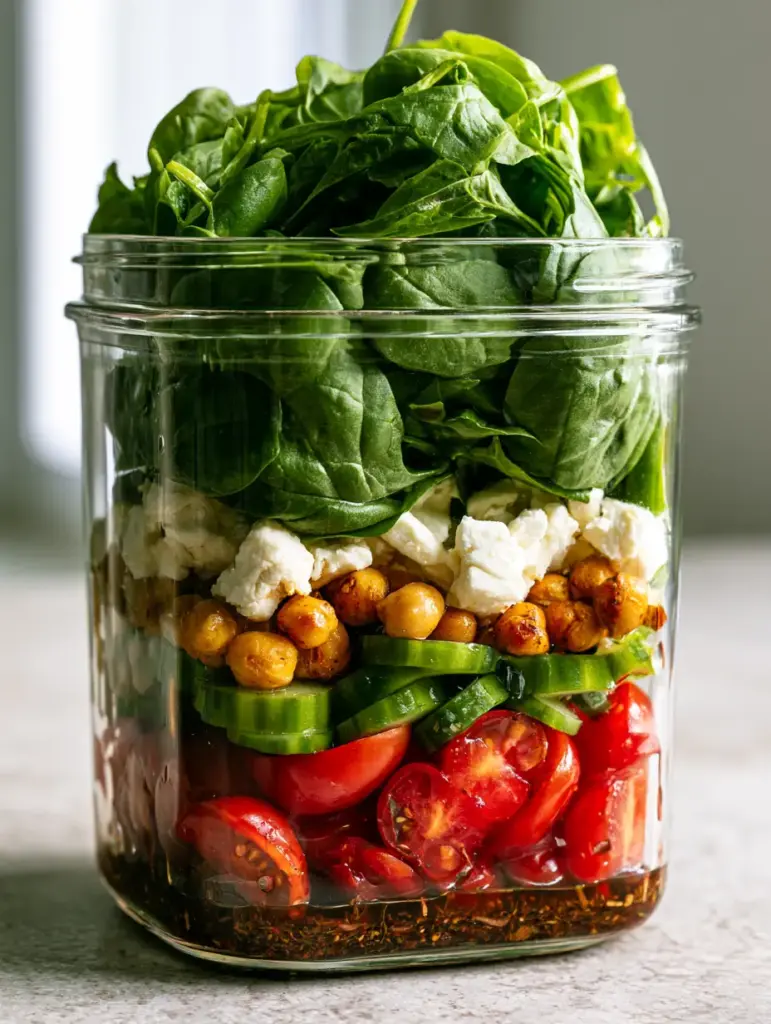
The chickpeas and feta create a dense, flavorful “plug” that further seals the dressing away from the greens. The contrast of the golden chickpeas against the white feta is a key visual cue for a high-end spinach salad.
Step 5: Creating the Spinach Mountain
Finally, pack the remaining space with the raw baby spinach. Do not press down too hard; you want an “airy mountain” of leaves that reaches the very top of the glass. The leaves should be vibrant and deep green, showing no signs of moisture.
Expert Tips for a Professional Result
- The Dryness Rule: Any residual water on the spinach will cause it to steam and wilt in the container. Use a paper towel to give the leaves one final pat before packing.
- Temperature Control: Never add hot roasted chickpeas directly to the salad. Let them reach room temperature to avoid wilting the spinach and melting the feta.
- Herb Infusion: For the “visible herbs” mentioned in our visual prompt, add 1/2 tsp (0.5g) of dried oregano or thyme to the vinaigrette during the whisking process.
- Serving Science: When you are ready to eat, simply shake the container vigorously or dump it into a large bowl. The dressing will coat the spinach perfectly as it travels from the bottom to the top.
Storing and Meal Prep Strategy
This spinach salad is designed for a shelf life of 3-4 days in the refrigerator. Because the spinach is physically separated from the balsamic vinaigrette, it will not turn slimy like traditional pre-mixed salads.
Do not freeze this salad. The high water content in the cucumbers and tomatoes will cause the cell walls to burst upon thawing, resulting in a mushy texture. For the best experience, keep the containers upright during transport to maintain the distinct layers.
What to Serve With Your Spinach Salad
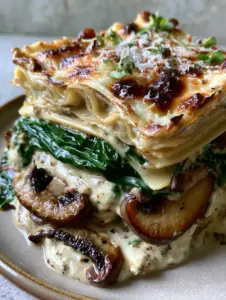
While this salad is a powerhouse on its own, it pairs beautifully with a variety of textures. For a cozy weekend dinner, serve it alongside spinach and mushroom lasagna to double down on those leafy greens.
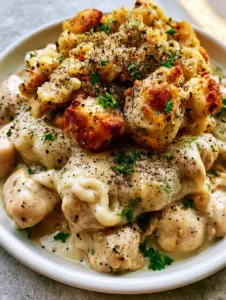
If you prefer a lighter pairing, it acts as a refreshing palate cleanser for chicken vesuvio or a zesty baked huli huli chicken. If you’re looking for more handheld options, try serving a smaller portion of this salad with cauliflower tacos for a plant-forward feast.
Frequently Asked Questions
Yes, goat cheese or shaved parmesan work well. The goal is to have a salty, creamy element to balance the acidic balsamic vinaigrette.
No, this recipe requires fresh, raw baby spinach leaves. Frozen spinach has been blanched and will not provide the airy, crisp texture needed for a fresh salad.
The secret is layering. Place the dressing at the very bottom, followed by ‘hard’ vegetables like tomatoes and cucumbers. Keep the spinach at the very top, separated by a layer of chickpeas and cheese.
When stored in a sealed glass container using the layering method, this salad remains fresh and crisp for 3 to 4 days in the refrigerator.
You must dry the chickpeas completely with a towel after rinsing. Any moisture left on the surface will cause them to steam in the oven rather than crisp up.
The Definitive Layered Spinach Salad Recipe
Spinach Salad with Roasted Chickpeas and Creamy Balsamic Vinaigrette
Ingredients
Equipment
Method
- Preheat oven to 400°F (200°C). Dry chickpeas thoroughly with a towel.
- Toss with oil and salt; roast for 25 minutes until golden and crunchy.
- Combine balsamic, mustard, and honey. Slowly whisk in oil until glossy.
- Pour 1 inch (2.5cm) of dressing into the bottom of the glass container.
- Add halved tomatoes and cucumber crescents over the dressing.
- Add cooled chickpeas, feta crumbles, and sunflower seeds.
- Top with a mountain of airy, dry baby spinach leaves to the top.
Notes
Always store upright to keep dressing at the bottom.
Take Your Meal Prep to the Next Level
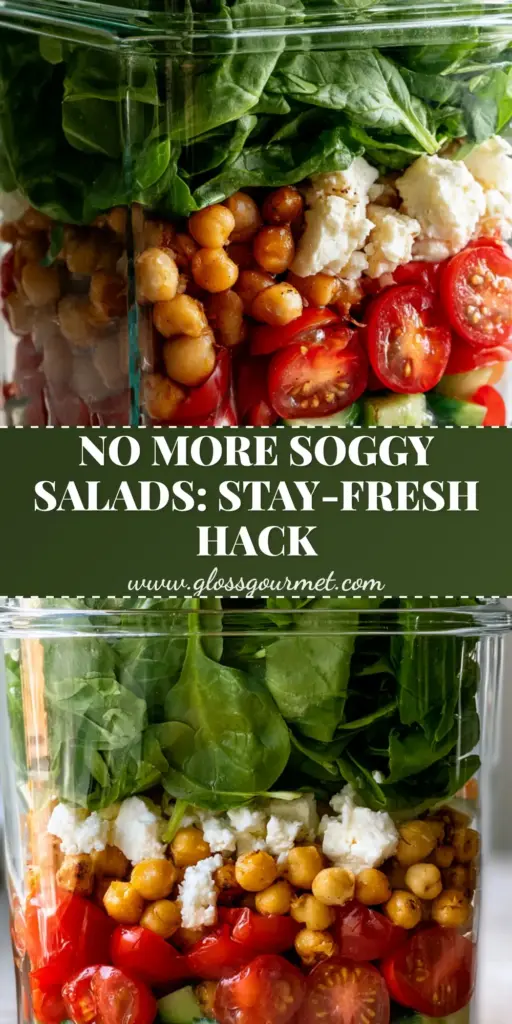
Creating a restaurant-quality spinach salad at home is all about respecting the physics of the ingredients. By following this layering guide, you ensure that every bite is as fresh as the moment you chopped the first cucumber. This recipe proves that healthy eating doesn’t have to be boring or soggy.
If you enjoyed this visual and culinary guide, please leave a comment below and let us know how your layers turned out! Don’t forget to share your photos and follow us on Pinterest for more gourmet meal prep inspiration.